
 Explore
 Write
Write Chat
Chat Call
Call
OIT News
Service navigation
Designing Training That Works for Everyone
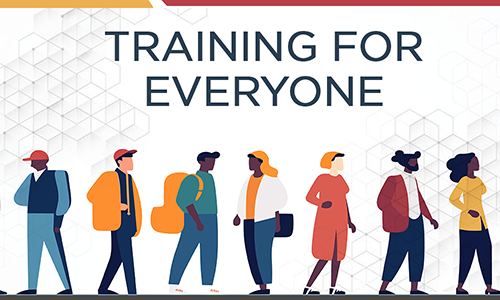
Conversations about accessibility are top of mind across campus, reflecting a shared commitment to access and engagement in learning. In online training and professional development, accessibility is especially impactful when it’s thoughtfully built into the design process from the start.
Designing with all learners in mind leads to clearer structure, stronger engagement, and fewer barriers overall. It also reflects the reality of modern training environments, where learners bring different needs, devices, schedules, and levels of familiarity with the content.
Consider these design principles to make training work better for everyone:
Start with a clear structure.
Consistent layouts, meaningful headings, and predictable navigation help learners quickly understand where they are and what comes next. Clear structure reduces cognitive load and supports a wide range of learning preferences.
Design visuals with purpose.
Images and graphics should reinforce key ideas rather than decorate the screen. If a visual communicates important information, that meaning should also be available in text.
Write for readability.
Plain language, short paragraphs, and intentional spacing make content easier to scan and understand—especially for learners balancing training with busy workdays.
Offer flexible ways to engage.
A thoughtful mix of text, short videos, audio, and simple interactions allows learners to engage with content in ways that work best for them without adding unnecessary complexity.
Keep interactions simple and intuitive.
Clear instructions and straightforward controls help learners focus on learning rather than figuring out how an activity works.
Accessibility expectations continue to evolve, but the core idea remains consistent: when training is designed with clarity, access, and flexibility from the start, it becomes more effective for everyone. An accessibility-first mindset helps ensure training is usable, engaging, and built to last. Remember – OIT partners with faculty and staff across campus to support thoughtful training design for professional development and non-degree programs.